Electrolysis hair removal is the only method that permanently eliminates unwanted hair across all hair colors and skin tones by targeting the hair follicle at its root. Learn all about electrolysis treatment, aftercare and more.
Electrolysis hair removal is a method of permanently removing unwanted hair by destroying the hair follicle at its root. It is the only form of hair removal that permanently eliminates hair growth across all hair colors and all skin tones. For many people, electrolysis is a cosmetic choice. For others, it is medically necessary care. For transgender and gender-diverse people, it is often a foundational part of gender-affirming healthcare.
People usually find electrolysis after years of frustration, often having sought temporary solutions first. Shaving creates irritation and shadow. Waxing causes ingrowns and inflammation. Laser works for some people and fails completely for others. Gray, white, blonde, and red hair remain untouched. Hormonal hair growth keeps returning. For transgender people, facial or body hair can also create safety risks, dysphoria, and daily emotional strain.
Electrolysis exists because partial solutions are not enough for many bodies and many lives.
This guide is designed to walk you through electrolysis in clear, patient-first language. It explains how electrolysis works, why it is permanent, who it is for, and how it fits into both medical and cosmetic care. It also reflects the realities of transgender healthcare, hormone-related hair growth, and skin conditions like PCOS and hidradenitis suppurativa. Later sections will address insurance coverage, comparisons to other hair removal methods, and how to choose a provider.
Electrolysis: The Only Path for Permanent Hair Removal
Electrolysis works by permanently disabling the structures inside the hair follicle that allow hair to grow.
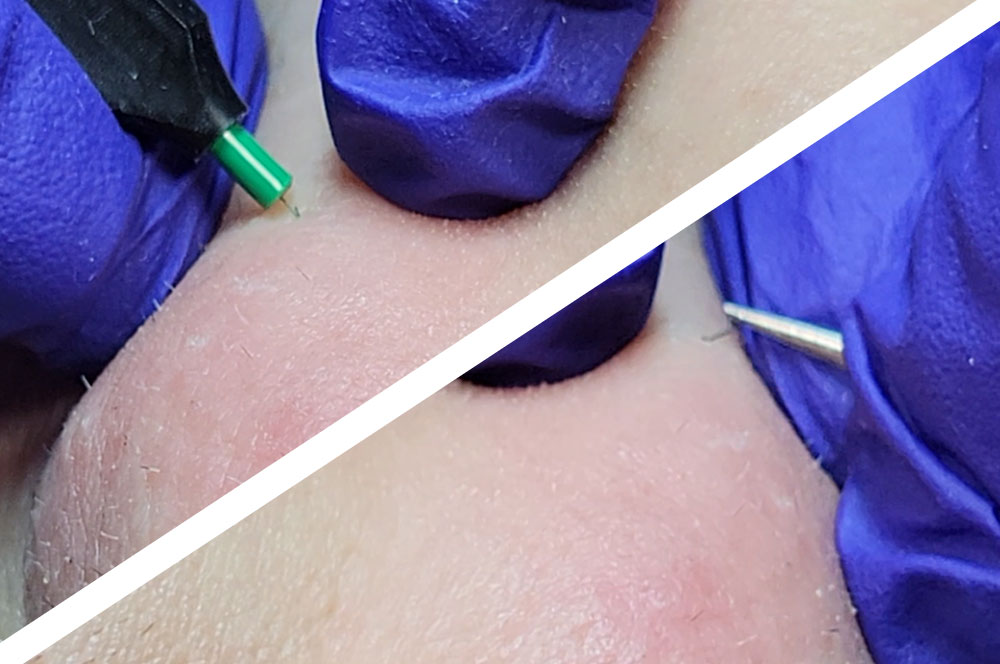
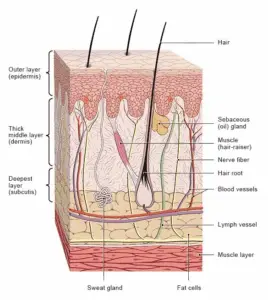
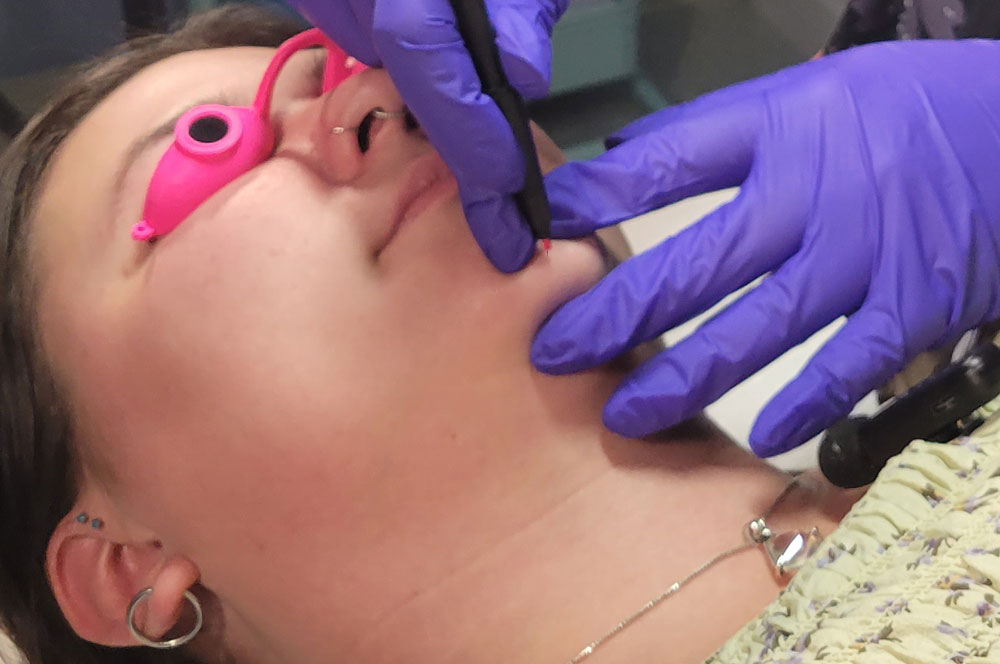
Each hair grows from a follicle embedded in the skin. Inside that follicle are cells responsible for producing hair. If those cells remain intact, the hair can grow back. Electrolysis hair removal targets those growth structures directly. A very fine probe is inserted into the follicle alongside the hair. Energy is delivered through that probe, which destroys the follicle’s ability to regenerate hair. Once the follicle is properly treated, that individual hair will not return.
This is different from methods that only affect the hair above the skin or partially damage the follicle. Electrolysis is designed to fully eliminate the hair’s growth capacity rather than weaken it temporarily.
The U.S. Food and Drug Administration recognizes electrolysis as permanent hair removal. Laser hair removal, by contrast, is classified as permanent hair reduction, because it does not reliably destroy all follicles and does not work on all hair types.
Why Electrolysis Is Used in Medical and Gender-Affirming Care
Electrolysis hair removal is often described as cosmetic, but that label does not reflect how it is used in real healthcare settings.
For transgender women, facial hair removal can directly affect safety, social functioning, mental health, and quality of life. In a society that still views people’s identities in a very binary, cis-hetero-normative, reductive way, facial hair is linked to male experience, and women with facial hair often face rejection by peers and potential mating partners. This affects women with PCOS and/or hirsutism, and it affects trans women all the more. In an increasingly transphobic society, transgender women may experience exclusion from women’s spaces or ostracism and bullying due to the presence of facial hair. So this becomes a matter of personal comfort, wellbeing and safety.
For transgender people preparing for vaginoplasty or phalloplasty, electrolysis is medically required. Surgeons need assurance that hair will never grow inside surgical sites, where regrowth could cause infection, chronic irritation, or surgical failure.
Electrolysis hair removal is also used in the management of hormone-related hair growth and certain skin conditions. In these cases, removing the hair permanently reduces friction, inflammation, ingrown hairs, and recurring infections. The underlying condition is treated by medical specialists. Electrolysis addresses the hair component that contributes to ongoing symptoms. Major medical organizations acknowledge the role of hair removal in gender-affirming care and surgical preparation.
Who Is Electrolysis For?
Electrolysis is suitable for a wide range of people and needs.
It is often chosen by transgender and gender-diverse people seeking permanent facial or body hair removal as part of transition-related care. It is used by people with PCOS or other hormone-related hair growth, such as hirsutism. It is appropriate for individuals with skin conditions aggravated by hair growth. It is also a cosmetic choice for people who want permanent hair removal in areas such as the underarms, bikini area, face, chest, or abdomen.
Because electrolysis works on all hair colors and skin tones, it remains the only effective option for people with blonde, red, gray, or white hair.
In later sections we’ll explore these groups in depth, including medical coordination, insurance considerations, and treatment planning.
What Makes Electrolysis Permanent Hair Removal
Hair grows because the follicle contains active cells that regenerate hair. If those cells are destroyed, the hair cannot return. Electrolysis is designed to eliminate those cells completely.
This permanence applies to treated follicles only. Electrolysis does not prevent new follicles from activating later in life due to hormonal changes, aging, or medical conditions. When new hair appears, it comes from new follicles, not from follicles that were already destroyed.
This distinction explains why electrolysis is permanent without claiming that no hair will ever grow again anywhere on the body. It also explains why hormonal conditions and life stages can influence long-term hair patterns.
The Hair Growth Cycle and Why Multiple Treatments Are Required
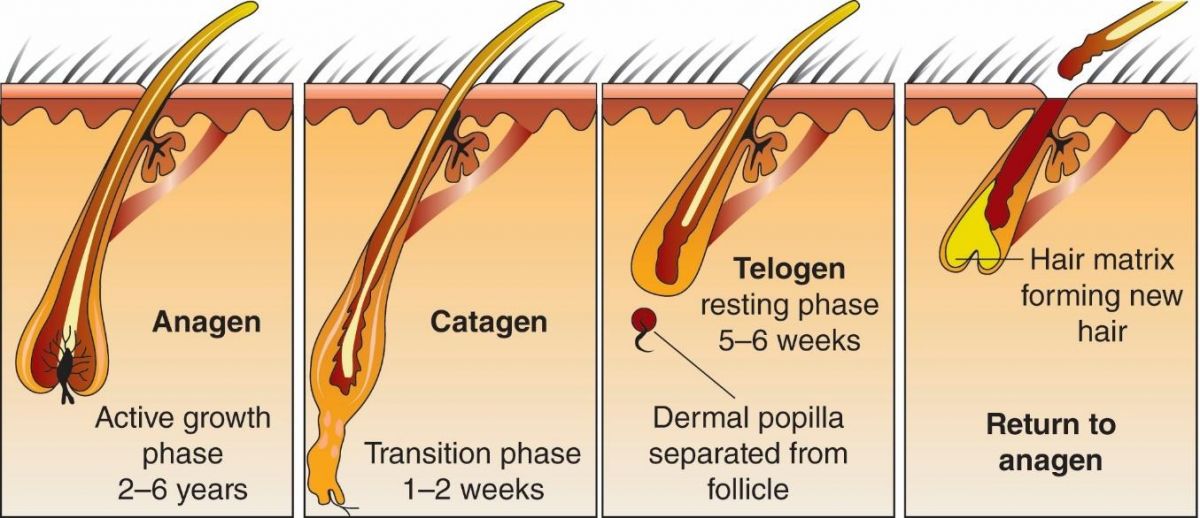
Hair does not grow all at once. Each follicle cycles through phases of growth and rest. Electrolysis is most effective when the hair is in its active growth phase.
There are three main stages in the hair growth cycle:
- Anagen, when the hair is actively growing and connected to the follicle.
- Catagen, a transitional phase when growth slows.
- Telogen, a resting phase before the hair sheds.
At any given time, only a portion of hairs in an area are in the anagen phase. Electrolysis can only permanently destroy hairs that are connected to active follicles. This is why multiple treatments are required over time. As dormant follicles enter the growth phase, they can then be treated.
This process is not a failure of electrolysis. It is how permanent hair removal works when done correctly.
Here is an overview of skin & hair biology, from the National Institutes of Health:
How Electrolysis Works, Step by Step
Although electrolysis sounds intimidating, the process itself is precise and methodical.
A typical electrolysis treatment follows a consistent sequence:
- The skin is cleaned and prepared.
- A sterile, hair-thin probe is gently inserted into the follicle.
- Energy is delivered to destroy the hair-producing cells.
- The treated hair is removed with tweezers. It slides out without resistance when the follicle has been properly treated.
- The skin is soothed, and aftercare guidance is provided.
Electrolysis does not pluck hair. If a hair resists removal, the follicle was not adequately treated and should not be forced. Proper technique protects the skin and ensures permanent results.
The sensation varies by area, hair type, and individual sensitivity. Some areas feel like warmth or a quick pinch. Other areas, especially those with dense nerve endings, can be more intense.
Pain management options and pacing are discussed later in this guide.
Here’s an overview from the American Electrology Association.
Modalities of Electrolysis
Electrolysis is not a single technique. There are three main modalities, each using a different type of energy delivery. An experienced electrologist chooses the modality based on hair type, skin type, treatment area, and client comfort.
Galvanic Electrolysis
Galvanic electrolysis uses a chemical reaction to destroy the follicle. A small electrical current produces sodium hydroxide inside the follicle, which permanently disables the hair-producing cells.
This method is very precise and effective but slower than other modalities. It is sometimes used for coarse or deeply rooted hairs or in situations where maximum certainty is required.
Thermolysis
Thermolysis uses heat generated by high-frequency energy to destroy the follicle. Modern thermolysis equipment allows for extremely fast treatment while maintaining accuracy.
Thermolysis is commonly used for larger treatment areas and for clients who need efficiency due to time constraints or insurance authorization limits.
Blend Method
The blend method combines galvanic and thermolysis techniques. It uses both chemical and heat-based destruction to target the follicle.
Many electrologists prefer the blend method because it balances effectiveness and efficiency across a wide range of hair types and treatment areas.
The modality used may change over time as hair density decreases and treatment goals evolve.
Electrolysis: A Timeline of Research & Development Advancements

Hair removal through electrolysis has a longer and more medically grounded history than most people realize. Its origins trace back to the late 19th century, when physicians were seeking a way to permanently treat ingrown eyelashes that caused chronic eye irritation and infection.
In 1875, Dr. Charles Michel, an ophthalmologist, documented the first successful use of electrical current to permanently destroy hair growth structures.
This medical origin is important because it shaped electrology as a practice, and electrolysis as a process, as precision-based, anatomy-aware intervention rather than a cosmetic experiment.
Early electrolysis hair removal methodology relied exclusively on galvanic current, a slow but chemically thorough method that produced sodium hydroxide within the follicle to destroy hair-forming tissue. While effective, early treatments were time-intensive and required careful operator skill. Over the following decades, researchers and clinicians refined the approach, introducing thermolysis in the 1920s.
Thermolysis used high-frequency alternating current to generate controlled heat at the follicle, allowing for faster treatment while preserving surrounding skin when applied correctly.
By the mid-20th century, the blend method emerged, combining galvanic and thermolysis currents to leverage the strengths of both approaches. This marked a major turning point in electrolysis outcomes, particularly for deep, distorted, or hormonally driven follicles. Modern electrolysis equipment builds on these foundations using computer-controlled epilators, insulated probes, and refined timing parameters that reduce skin trauma while increasing consistency.
These advancements are the reason contemporary electrolysis bears little resemblance to the slow, uncomfortable procedures people sometimes imagine based on outdated descriptions.
Risks & Side Effects of Electrolysis
Electrolysis is widely regarded as safe when performed by a trained electrologist using proper technique and sterile equipment. Even so, it is a medical-adjacent procedure that affects living tissue, and understanding potential risks supports informed decision-making.
Temporary reactions are common and expected. These may include redness, swelling, warmth, or tenderness in the treated area. These effects typically resolve within hours to a few days, depending on skin sensitivity, treatment intensity, and aftercare practices.
More serious complications are uncommon but possible. Scarring, infection, or pigment changes are most often associated with improper insertion, excessive energy settings, inadequate sterilization, or pre-existing skin vulnerability. Individuals with a history of keloid scarring, poor wound healing, or certain dermatologic conditions may require additional screening before treatment.
Electrolysis hair removal is a skills-based practice. The electrologist’s degree of experience, dexterity, attentiveness and awareness all contribute to a positive outcome. That’s why choosing the right practitioner matters.
What Does Electrolysis Hair Removal Feel Like?
People often hesitate to start electrolysis because they are unsure what it will feel like. Anxiety about pain is common, especially for those who have already had difficult experiences in medical or cosmetic settings. The reality is more nuanced than most online descriptions suggest.
Electrolysis sensation varies widely depending on the treatment area, hair density, skin sensitivity, hormonal status, and the skill of the electrologist. Many people describe the feeling as a brief heat sensation or a quick pinch that lasts only a fraction of a second. Others experience sharper discomfort in areas with dense nerve endings, such as the upper lip, chin, groin, or perineal region.
Hormones also play a role. Testosterone-driven hair tends to be thicker and more deeply rooted, which can increase sensation during treatment. Estrogen-dominant hair growth patterns often involve finer hairs that are easier to treat. Stress, hydration, and timing within the menstrual cycle can also affect sensitivity.
Pain perception is not a personal failure or a sign that electrolysis is being done incorrectly. It is a physiological response that can be managed thoughtfully. Experienced providers adjust settings, pacing, and modality based on real-time feedback. Breaks are normal. Shorter sessions are sometimes appropriate at the beginning, especially for sensitive areas.
How Many Electrolysis Hair Removal Treatments Are Needed?
 This is one of the most searched questions about hair removal through electrolysis, and also one of the most misunderstood.
There is no ethical or accurate way to give an exact number of treatments in advance. Anyone promising a fixed number of sessions is oversimplifying biology. Electrolysis hair removal timelines depend on several interacting factors, including hair growth cycles, hormone levels, genetics, prior hair removal methods, and consistency of treatment.
What matters most is not the number of sessions, but the overall treatment arc. Electrolysis typically unfolds in phases. Early sessions focus on clearing visible hair. As those follicles are eliminated, regrowth becomes sparser and slower. Later stages involve treating newly activated follicles as they enter active growth phases. This is why consistency matters more than intensity.
For transgender women undergoing facial electrolysis, the timeline often spans many months to a few years, depending on density and hormonal history. For surgery preparation electrolysis, timelines are dictated by surgeon requirements and the size of the treatment area. For cosmetic areas like underarms or bikini, timelines are usually shorter but still depend on individual hair patterns.
Understanding hair cycling is essential to understanding why electrolysis works the way it does.
Electrolysis Hair Removal As a Medical Requirement
As mentioned at the beginning of this guide, electrolysis is often required to meet medical or surgical standards rather than personal preference.
In gender-affirming surgeries, permanent hair removal is often mandated in specific anatomical areas to prevent postoperative complications such as hair growth inside reconstructed tissue.
Electrolysis may also be recommended in cases of persistent hormonally driven hair growth, recurrent folliculitis, or conditions where temporary removal methods exacerbate skin damage.
In these contexts, electrolysis functions as a preventative and therapeutic intervention rather than a cosmetic service.
In the upcoming sections we’ll take a closer look at these medical reasons for electrolysis.
Electrolysis Hair Removal for Transgender and Gender-Diverse Folk
For transgender and gender-diverse clients, electrolysis rarely exists in the realm of simple appearance management. Hair removal often intersects with physical safety, mental health, bodily autonomy, and access to medically necessary care. The presence or absence of facial or body hair can influence a person’s sense of wellbeing, how they are perceived in public spaces, how safely they move through the world, and how often they are misgendered or scrutinized before they ever speak.
Facial electrolysis is among the most common gender-affirming hair removal needs, particularly for transfeminine folks. Coarse beard hair and shadow frequently persist despite years of hormone therapy. Laser hair removal may reduce density, but it cannot permanently address light, gray, or hormonally resistant hairs.
Electrolysis hair removal remains the only method capable of fully clearing these hairs, offering permanence where other approaches plateau. That permanence has practical implications for safety, daily comfort, and long-term well-being.
Electrolysis also plays a critical role in surgical preparation. Many gender-affirming surgeries require complete and permanent hair removal in specific anatomical areas to prevent postoperative complications such as hair growth inside surgical sites. This requirement is not cosmetic and not discretionary. It is grounded in surgical standards and patient safety. In these contexts, electrolysis becomes part of essential pre-surgical/perioperative care rather than an optional personal choice.
Beyond surgery, electrolysis supports day-to-day functioning in ways that are often underrecognized. Research and clinical experience consistently point to reductions in dysphoria, improved comfort in public environments, and greater confidence navigating social interactions once unwanted hair is permanently removed. These effects matter because the social and psychological costs of visible hair are not evenly distributed.
Transgender and gender-diverse people experience higher rates of minority stress, harassment, and violence, making durable solutions more than a matter of preference.
Electrolysis offers certainty in a landscape where uncertainty carries real risk. That certainty does not stem from the idea that hair is inherently undesirable, but from the reality that the consequences of unwanted hair fall more heavily on some populations than others. In this way, electrolysis functions as a form of harm reduction, supporting safety, autonomy, and access to care in systems that have not always been designed with transgender and gender-diverse people in mind.
Electrolysis Hair Removal and Hormones
Hormones strongly influence hair growth patterns. Testosterone increases terminal hair growth on the face and body. Estrogen can soften hair texture but does not eliminate follicles that have already been activated. This is why hormone therapy alone does not reliably remove facial hair for transgender women and transfeminine people.
Hormonal conditions such as PCOS also involve elevated androgen levels, which stimulate hair growth in areas like the chin, jawline, chest, and abdomen. Electrolysis permanently removes hair from affected follicles, reducing the ongoing impact of androgen-driven growth in those areas.
Electrolysis does not alter hormone levels. Instead, it removes the hair that hormones stimulate. This distinction matters. Endocrinologists treat hormone balance. Electrolysis addresses the physical manifestation of hormone effects on hair.
Coordination between hair removal providers and medical professionals improves outcomes and helps manage expectations.
Facial Electrolysis, Gender Dysphoria, and Daily Safety
Facial hair removal is one of the most common reasons transgender women and transfeminine people seek electrolysis. Beard hair tends to be coarse, deeply rooted, and hormonally driven.
Even after estrogen therapy and testosterone suppression, follicles that were previously activated do not reliably deactivate. Laser hair removal may reduce density in some cases, but it cannot fully eliminate hair across all colors or skin tones, and it often leaves behind lighter or finer hairs that remain highly visible.
For many trans people, facial hair is not experienced as neutral. It can intensify gender dysphoria, increase hypervigilance in public spaces, and complicate daily routines. Shaving multiple times a day, dealing with shadow, or managing skin irritation becomes a persistent burden rather than a simple grooming choice.
Electrolysis changes that dynamic by removing hair permanently. Over time, it reduces the need for constant concealment and lowers the mental load associated with being seen. The impact is cumulative. Each permanently cleared follicle removes a future point of stress.
After extended discussion with trans clients, a few practical patterns tend to emerge. These are not rules, but common experiences that shape treatment planning:
- Facial electrolysis often starts with the upper lip, chin, and jawline because these areas carry the most social visibility.
- Progress is usually uneven at first due to hair growth cycles, which can feel discouraging without proper expectation-setting.
- Emotional responses can fluctuate. Relief and grief often coexist as hair disappears and long-held coping strategies fall away.
These patterns are normal. They are part of transitioning from constant management to permanence.
Electrolysis and Gender-Affirming Surgery Preparation
Electrolysis hair removal is not optional for many gender-affirming surgeries. It is a prerequisite rooted in surgical safety.
For vaginoplasty, surgeons require permanent hair removal from specific genital and perineal areas. Hair growing inside the vaginal canal after surgery can lead to infection, chronic irritation, embedded hairs, and compromised surgical outcomes. Laser hair removal cannot guarantee zero regrowth and is therefore insufficient on its own. Electrolysis is used because it permanently eliminates the follicle.
For phalloplasty, electrolysis hair removal is required on graft sites used to construct the phallus. Hair growth inside urethral structures or grafted tissue can cause serious complications. Surgeons rely on electrolysis to prevent those risks.
These requirements are not cosmetic preferences. They are based on decades of surgical experience and outcome tracking.
Electrolysis hair removal for surgical preparation also introduces logistical and emotional complexity. Treatment areas are intimate. Sessions can be physically uncomfortable. Progress is tied to surgical timelines, which may already feel precarious. This is why coordination between surgeons, electrologists, and mental health providers matters.
In practice, surgery preparation electrolysis often involves:
- Treating areas that clients may never have previously exposed in a clinical setting
- Managing pain and vulnerability alongside technical precision
- Balancing urgency with skin health to avoid over-treatment
These factors are part of why experience matters in transgender-specific electrolysis care.
Trauma-Informed Electrolysis for Transgender Clients
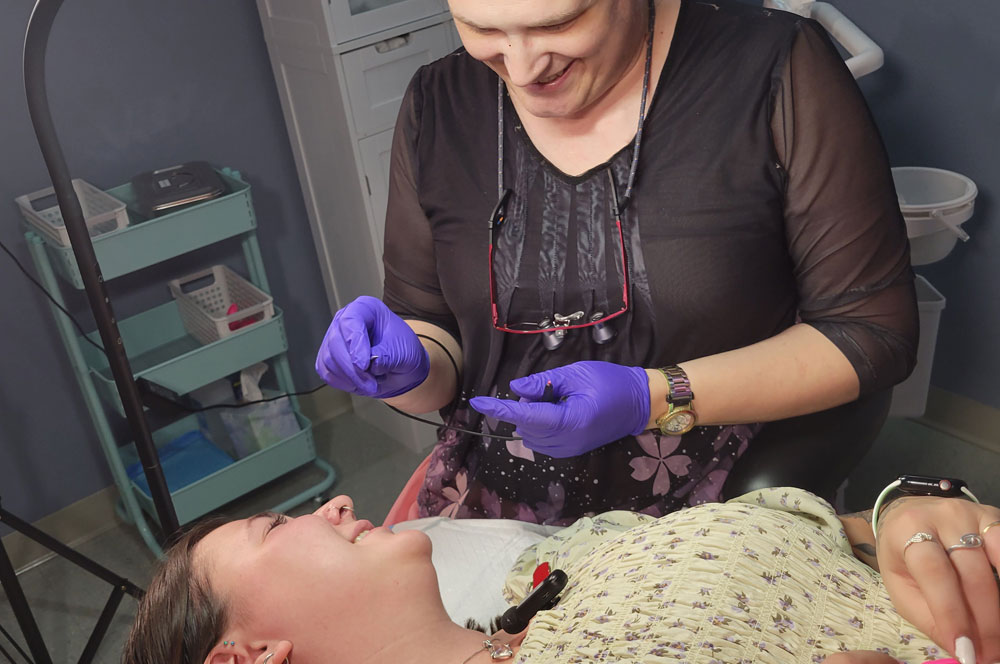
Many transgender people come to electrolysis with a history of medical trauma, dismissal, or gatekeeping. Hair removal, especially in facial or genital areas, can activate those experiences. Trauma-informed care is not an add-on. It is essential to effective treatment.
Trauma-informed electrolysis recognizes that consent is ongoing, not assumed. It emphasizes clear communication, predictable pacing, and respect for boundaries. It also acknowledges that discomfort is not only physical. Emotional responses may arise unexpectedly during treatment, particularly when hair removal intersects with identity, dysphoria, or past harm.
Core elements of trauma-informed electrolysis often include:
- Explaining each step before it happens
- Checking in regularly rather than pushing through discomfort
- Allowing clients to pause or stop without justification
- Using affirming language consistently
- Avoiding assumptions about bodies or goals
These practices improve not only emotional safety but also clinical outcomes. Clients who feel safe are more likely to return consistently, which is essential for permanent hair removal.
Hormones, Hair Persistence, and Realistic Expectations
Hormone therapy can change hair texture and growth rate, but it does not reliably eliminate hair follicles that were activated by prior androgen exposure. This is why electrolysis hair removal remains necessary for many transfeminine people even after years of hormone therapy.
As we mentioned in the section on hormones, testosterone drives terminal hair growth on the face and body. Once follicles become terminal, suppressing testosterone does not guarantee reversal. Estrogen may soften hair and slow growth, but it does not destroy follicles. Electrolysis addresses this gap by permanently disabling those follicles.
Understanding this helps set realistic expectations. Electrolysis is not a failure of hormone therapy. It is a complementary intervention that addresses a different biological mechanism.
Consistency, Trust, and Long-Term Care
Electrolysis for transgender clients is rarely quick. It requires consistency over time, which in turn requires trust. Trust is built when expectations are realistic, communication is clear, and care feels collaborative rather than extractive.
Many clients describe a shift that occurs mid-process. Early sessions focus on survival and management. Later sessions feel more like reclaiming space in one’s own body. This transition does not happen on a fixed timeline, but it is one of the reasons electrolysis is experienced as deeply affirming rather than merely corrective.
Electrolysis for PCOS and Other Hormone-Related Conditions
Polycystic ovary syndrome is one of the most common endocrine disorders affecting hair growth. Elevated androgens lead to coarse, dark hair growth in areas typically associated with male-pattern hair distribution. Shaving and waxing often worsen irritation. Laser may reduce some hair but frequently leaves patchy regrowth.
Electrolysis provides a permanent solution for the hairs that have already developed. By eliminating those follicles, electrolysis reduces the daily burden of hair management and decreases inflammation caused by repeated hair removal.
PCOS interacts with other health conditions. More than half of women with PCOS develop type 2 diabetes in their lifetime.
It is important to be clear about roles. Electrolysis does not treat PCOS itself. Endocrinologists and gynecologists manage hormone regulation, metabolic health, and reproductive concerns.
Electrolysis does remove hair permanently, reducing one of the most distressing physical symptoms.
Electrolysis Hair Removal and Skin Conditions
For some people, unwanted hair is not just inconvenient. It actively worsens underlying skin conditions. Friction, ingrown hairs, bacterial colonization, and repeated trauma from shaving or waxing can turn routine grooming into a cycle of inflammation and pain. In these cases, electrolysis plays a specific and limited role: it permanently removes the hair that contributes to repeated skin breakdown.
Just as we wrote for PCOS, it is important to be precise about scope. Electrolysis does not treat skin disease. Dermatologists and other medical specialists manage the condition itself.
Electrolysis removes the hair component that aggravates symptoms and perpetuates flare cycles. That distinction matters for both medical coordination and patient expectations.
Electrolysis and Hidradenitis Suppurativa (Acne Inversa)
Hidradenitis suppurativa (HS) is a chronic inflammatory skin condition that affects areas with apocrine sweat glands and hair follicles, such as the underarms, groin, buttocks, and under-breast region. It is characterized by recurrent nodules, abscesses, tunnels, and scarring. Hair follicles play a central role in the disease process.
HS is not caused by poor hygiene. It is a complex inflammatory condition involving follicular occlusion, immune dysregulation, and genetic predisposition. Hair growth within affected follicles contributes to blockage, inflammation, and repeated rupture. Removing hair permanently can reduce one of the mechanical triggers that worsen flares.
Electrolysis is sometimes incorporated into HS management plans because it permanently destroys the follicle. By eliminating the follicle, electrolysis can reduce friction, follicular occlusion, and recurrent inflammation in affected areas. This does not cure HS, but it can meaningfully reduce symptom burden for some patients when combined with dermatologic treatment.
Coordination with a dermatologist is essential. HS skin is often fragile, scarred, or actively inflamed. Timing, spacing, and conservative technique matter. Treatment is usually avoided during active flares and introduced during periods of relative stability.
When electrolysis is used in HS care, a few practical considerations commonly apply:
- We limit treatment to stable skin, not inflamed or draining lesions
- Sessions are shorter and spaced further apart
- We use conservative settings to protect compromised tissue
These adjustments support skin healing rather than adding stress to an already overburdened system.
Electrolysis and Folliculitis
Folliculitis occurs when hair follicles become inflamed or infected, often due to bacteria, yeast, friction, or repeated trauma. Shaving, waxing, and tight clothing can all worsen folliculitis by creating micro-injuries and trapping hair beneath the skin surface.
Chronic folliculitis is often driven by the cycle of hair regrowth. As hair grows back, it re-enters the follicle at an angle, becomes ingrown, or traps bacteria. Temporary hair removal methods perpetuate this cycle by repeatedly disrupting the skin barrier without eliminating the underlying follicle.
Electrolysis interrupts that cycle by removing the follicle entirely. Without a follicle, there is no hair to become ingrown and no follicular space for bacteria to colonize. Over time, this can significantly reduce recurrence in treated areas.
Folliculitis is not always simple. Fungal folliculitis, antibiotic-resistant bacteria, and inflammatory variants require medical diagnosis and treatment. Pityrosporum folliculitis can also be caused by a yeast infection of the follicles. Electrolysis should be introduced only after the underlying cause is identified and managed.
In practice, electrolysis for folliculitis often focuses on:
- Areas with repeated ingrown hairs
- Regions exposed to friction or moisture
- Sites where antibiotics or topical treatments alone have failed
This approach reduces reliance on repeated medication cycles and supports longer-term skin stability.
Electrolysis and Other Skin Conditions
Electrolysis may also be appropriate in selected cases involving other skin conditions where hair contributes to irritation or recurrent breakdown. These decisions are individualized and should involve medical oversight.
Conditions where electrolysis is sometimes considered include eczema-prone areas with repeated ingrown hairs, acne-prone regions aggravated by shaving, and scarred skin where regrowth causes pain or infection. Keloid-prone individuals require special caution, as aggressive treatment can increase scarring risk.
Again, electrolysis does not replace dermatologic care. It addresses hair-related triggers that worsen symptoms when present.
Electrolysis and Moles, Birthmarks, and Pigmented Skin
Hair growing from moles or pigmented lesions is a common concern, and one that often generates uncertainty. Electrolysis can sometimes be performed on hairs emerging from moles, but this determination is made on a case-by-case basis.
Factors such as the size, color, texture, and medical history of the lesion all influence whether treatment is appropriate. A qualified electrologist will visually assess the area and may request medical clearance before proceeding.
Unlike laser hair removal, which relies on pigment absorption and is often contraindicated over moles, electrolysis targets the follicle itself rather than surrounding pigmentation. This distinction explains why electrolysis is sometimes considered when other hair removal methods are not a viable option. That said, treatment decisions prioritize skin health over hair removal goals, and reputable practices will defer treatment if there is any uncertainty about lesion safety.
When electrolysis is performed near pigmented areas, technique matters. Insulated probes, conservative timing, and careful monitoring of skin response all reduce surface irritation.
In situations where a dermatologist is involved, coordination between providers helps ensure that hair removal does not interfere with ongoing skin surveillance or treatment. This collaborative approach is especially relevant for patients with a history of atypical moles or skin cancer.
Electrolysis Hair Removal for Cosmetic Reasons
Electrolysis is also widely used for cosmetic reasons. Underarms, bikini and pubic areas, abdomen, nipples, toes, and facial areas are common treatment sites. People often turn to electrolysis after years of shaving irritation, waxing trauma, or incomplete laser results.
In these contexts, electrolysis offers predictability. Once a follicle is treated, the hair does not return. There is no maintenance cycle, no regrowth window, and no reliance on pigment contrast.
Cosmetic electrolysis is not medically necessary for insurance purposes in most cases, but it is often chosen for comfort, hygiene, and personal autonomy. The experience and skill of the provider matter just as much in cosmetic settings as in medical ones.
Skin Safety and Long-Term Electrolysis Care
Because electrolysis is cumulative, skin protection is not a one-time concern. It is an ongoing part of successful treatment. Proper technique, appropriate spacing, and responsive aftercare reduce the risk of irritation, hyperpigmentation, and scarring.
Short-term skin responses are expected. Redness, swelling, and warmth usually resolve within hours to a few days. These responses reflect the body’s inflammatory healing process, not injury.
More serious side effects are uncommon when electrolysis is performed correctly, but they can occur if skin is overtreated or aftercare is neglected. This is why experienced providers adjust treatment plans over time rather than applying uniform settings indefinitely.
Electrolysis Aftercare: Protecting Skin Between Sessions
Aftercare supports healing and protects the skin barrier. It also influences how quickly treatment can progress over time.
Immediately after treatment, the skin is more permeable and reactive. Keeping the area clean, dry, and protected allows inflammation to resolve efficiently. Heavy friction, heat, or occlusion can prolong redness and increase irritation.
Most providers recommend a conservative aftercare approach that emphasizes simplicity over product overload. In practice, aftercare often includes:
- Gentle cleansing without scrubbing
- Avoiding makeup or occlusive products on treated areas for a short period
- Protecting skin from sun exposure
- Avoiding heat, sweating, and friction immediately after sessions
These measures are not restrictive rules. They are temporary supports for healing skin.
Over time, consistent aftercare allows for longer sessions, faster clearance, and fewer setbacks. This is especially important for people undergoing electrolysis for medical or gender-affirming reasons, where treatment spans months or years.
Electrolysis Hair Removal vs. Laser Hair Removal
Laser hair removal is often the first method people try, largely because it is widely marketed and promises speed. Laser works by targeting pigment within the hair shaft and transmitting heat to the follicle. When conditions are ideal—dark hair, light skin, and consistent growth patterns—laser can reduce hair density. What it cannot reliably do is permanently eliminate every follicle.
This distinction matters. Laser depends on contrast between hair and skin. Blonde, red, gray, and white hair contain little to no pigment and are largely invisible to laser energy. Even in ideal candidates, laser typically leaves behind finer or lighter hairs that continue to grow. Hormonal changes can also reactivate follicles after laser treatment, leading to regrowth months or years later.
Electrolysis approaches the problem differently. It does not rely on pigment or contrast. It treats each follicle individually and permanently disables its ability to produce hair. This is why electrolysis is used when certainty matters, such as for gender-affirming surgery preparation or persistent facial hair.
In clinical settings, the difference is often framed as reduction versus elimination. Laser may reduce hair volume. Electrolysis eliminates treated follicles.
After people experience partial laser results, they often turn to electrolysis to finish what laser cannot. This is common for facial hair, light hair, hormonally driven regrowth, and surgery preparation.
Electrolysis Hair Removal vs. Waxing
Waxing removes hair by pulling it out from the root. The follicle remains intact, which means the hair will regrow. For some people, waxing feels manageable in the short term. For others, it triggers inflammation, ingrown hairs, and recurring skin injury.
Repeated waxing can also distort hair growth patterns. Hair may break beneath the surface, curl back into the skin, or grow at irregular angles. Over time, this increases the risk of folliculitis and post-inflammatory hyperpigmentation, especially in sensitive or high-friction areas.
Electrolysis avoids these issues by eliminating the follicle entirely. There is no regrowth cycle, no repeated trauma, and no need to wait for hair to reach a certain length before treatment. This makes electrolysis particularly appealing for people with chronic ingrowns, sensitive skin, or conditions aggravated by friction.
Electrolysis Hair Removal vs. Shaving
Shaving removes hair at the surface of the skin. It does nothing to the follicle and often leaves a blunt hair tip that feels rough as it grows back. For many people, shaving must be repeated daily, especially for facial hair.
Frequent shaving can irritate the skin barrier, cause razor burn, and increase the risk of ingrown hairs. In transgender care, shaving facial hair multiple times per day can exacerbate dysphoria and make shadow more visible.
Electrolysis removes the need for repeated surface-level intervention. As follicles are eliminated, shaving becomes less frequent and eventually unnecessary in treated areas. This shift often reduces both physical irritation and mental fatigue.
Electrolysis Hair Removal vs. Depilatory Creams
Depilatory creams dissolve hair at the skin’s surface using chemical agents. While convenient for some, these products can irritate or burn the skin, particularly in sensitive areas. They do not affect the follicle and therefore require repeated use.
For people with eczema, sensitive skin, or a history of contact dermatitis, depilatories often cause more harm than benefit. Electrolysis avoids chemical exposure and focuses on permanent removal rather than repeated dissolution.
Electrolysis for Blonde, Red, Gray, and White Hair
Hair color matters because most hair removal technologies depend on pigment. Laser requires melanin to transmit energy. When pigment is absent or minimal, laser becomes ineffective.
Electrolysis bypasses this limitation entirely. It treats the follicle directly rather than relying on hair color. This makes electrolysis the only effective option for permanently removing blonde, red, gray, or white hair.
This distinction is especially relevant for aging populations, people with mixed hair colors, and transgender women whose facial hair lightens with hormone therapy but does not disappear.
Electrolysis Hair Removal for Men
Men seek electrolysis for many reasons. Some pursue beard shaping or complete facial hair removal. Other men want permanent hair removal on the back, chest, shoulders, or neck. Transgender men and nonbinary people may also seek electrolysis for surgical preparation or dysphoria-related reasons.
Male-pattern hair tends to be dense and hormonally driven, particularly in facial and torso areas. This can extend treatment timelines, but it does not reduce effectiveness. Electrolysis permanently removes treated follicles regardless of hair density.
For men with recurrent ingrowns, folliculitis, or shaving-related irritation, electrolysis can significantly improve skin health over time.
It’s worth noting that hormones interact with hair growth in men as in any other demographic. For example, use of Finesteride, a hormone suppressant, can impact the hair removal process.
Insurance Coverage for Electrolysis Hair Removal
Insurance coverage for electrolysis is one of the most confusing and frustrating parts of this process, especially for transgender and gender-diverse people. Coverage exists. It is real. But it is uneven, inconsistently applied, and often poorly understood by both patients and providers.
Electrolysis may be covered by insurance when it is deemed medically necessary. This most commonly applies to gender-affirming care, surgery preparation, and certain hormone-related or inflammatory conditions. Cosmetic hair removal, by contrast, is rarely covered.
What complicates matters is that insurance companies rarely provide clear, proactive guidance. Coverage decisions are often buried in policy language, dependent on diagnosis codes, or decided case by case. Many electrologists do not have the training, time, or institutional support to navigate this system with their clients.
Does insurance cover electrolysis?
This is where expertise matters. At Real You Electrolysis, we have a dedicated Health Insurance Liaison Team, with experts who understand all the nuances of electrolysis insurance coverage.
Please note: This section provides an overview to getting insurance for hair removal. For a detailed, point-by-point deep dive into getting your electrolysis covered by insurance, please see our COMPLETE GUIDE TO ELECTROLYSIS INSURANCE COVERAGE.
For readers seeking detailed insurance guidance, documentation strategies, and appeals support, see our full insurance guide:
Does your insurance plan cover electrolysis hair removal? Find out here.
Medical Necessity Versus Cosmetic Care
Insurance companies draw a sharp distinction between medical necessity and cosmetic care. Understanding how this distinction is applied helps set expectations.
Electrolysis is more likely to be covered when it is required to support another medical intervention or to reduce harm caused by an underlying condition. Common scenarios include gender-affirming surgery preparation, persistent hormone-related hair growth, and skin conditions aggravated by hair.
Cosmetic electrolysis, such as underarm or bikini hair removal without an associated medical diagnosis, is generally not covered. This does not make cosmetic care trivial. It simply reflects how insurance systems categorize services.
In practice, coverage decisions hinge on documentation. Medical letters, surgical requirements, and diagnostic codes shape outcomes more than the procedure itself.
The Role of Our Health Insurance Liaison Team
Most electrology practices focus on treatment delivery. Few are equipped to guide patients through insurance systems that were not designed with hair removal in mind. This gap leaves many patients navigating complex bureaucracy alone.
Our Health Insurance Liaison Team exists to fill that gap. As a dedicated, in-house team, our electrolysis insurance coverage team coordinates documentation, communicates with insurers, and helps patients understand their options. As a service capability, it reduces the administrative burden placed on clients at an already vulnerable time.
This kind of support is especially important for transgender patients, who are more likely to encounter denials, misinformation, or delays when seeking covered care.
Electrolysis Hair Removal for Minors (Teenagers)
Electrolysis for minors requires careful framing. In this context, “minors” almost always refers to adolescents and teens, not prepubescent children. Treatment decisions are made with parental consent, medical input, and attention to the young person’s well-being.
For transgender and intersex teens, unwanted hair can intensify dysphoria during an already vulnerable developmental period. In some cases, early intervention prevents years of distress and reduces the intensity of future treatment.
Ethical considerations focus on consent, proportionality, and medical relevance.
Electrolysis is typically considered when hair growth causes distress, social harm, or medical complications. It is not approached casually, but it is also not treated as inherently inappropriate.
Electrolysis During Pregnancy
Electrolysis during pregnancy is approached with provider discretion and patient-centered care. Hormonal changes during pregnancy can alter hair growth patterns, but safety and comfort remain the primary considerations.
There is limited direct research on electrolysis during pregnancy, which is why many providers take a conservative approach. This does not mean automatic refusal. It means individualized assessment, avoidance of sensitive areas, and open communication.
A patient-first provider does not act as a gatekeeper. Instead, they discuss risks, benefits, and alternatives, and support informed decision-making.
Some Frequently Asked Questions About Electrolysis
This section addresses some of the most common FAQs about electrolysis. (For a comprehensive list of 101 Questions About Electrolysis, see our full Electrolysis FAQ page.)
How many electrolysis treatments will I need?
Electrolysis hair removal is a process rather than a single treatment. The number of sessions depends on hair density, growth cycles, hormones, and consistency.
Most people require multiple sessions over months or years for permanent results.
Are hairs really eliminated with Electrolysis?
Yes. Properly treated follicles are permanently disabled through electrolysis. Should any new hair appear later, the new hair comes from new follicles activated by hormones or aging, not from treated follicles.
Most people require multiple sessions over months or years for permanent results.
Can hair be removed from anywhere on the body?
Electrolysis can be performed on most areas, including the face, body, and sensitive regions, when done by an experienced provider.
Get Started with Electrolysis
Electrolysis is not a shortcut. It is a permanent solution built through patience, skill, and trust.
For transgender and gender-diverse people, it often becomes one of the most affirming forms of care they receive. For those with medical or skin conditions, it reduces ongoing harm.
For cosmetic clients, it offers certainty and relief from constant maintenance.
What to Look For in an Electrologist
Choosing an electrologist influences treatment outcomes, skin health, and how efficiently permanent results are achieved.
Licensing and regulation vary by state in the U.S., which makes verifying credentials an early and worthwhile step.
In states where electrology is regulated, licensure should be current and clearly displayed. In states without formal oversight, completion of accredited electrology training and a documented practice history serve as important indicators of professional competence and safety awareness.
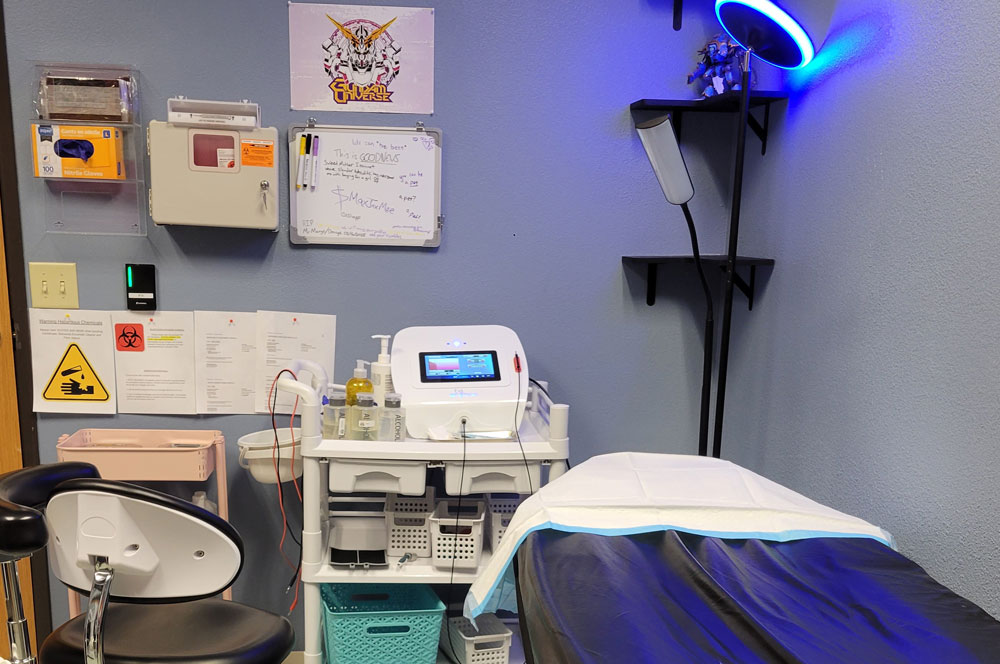
Sterilization standards and probe practices deserve direct, specific questions. Modern electrolysis relies on sterile, single-use probes and consistent sanitation of equipment and treatment surfaces. An electrologist should be able to clearly explain how cross-contamination is prevented, how tools are handled between clients, and what procedures are followed if skin integrity is disrupted during treatment.
For folks preparing for gender-affirming surgery or addressing medically driven hair growth, coordination and documentation often play a meaningful role. Some surgeons require detailed treatment records, confirmation of completed electrolysis, or adherence to specific timelines before proceeding. An electrologist familiar with these requirements can help align treatment planning with external medical care rather than working in isolation.
Communication style and consent practices shape the treatment experience as much as technical skill. Clear explanations, respect for privacy, and willingness to adjust pacing contribute to long-term consistency and trust.
These elements become especially important when treating sensitive areas, hormonally responsive hair growth, or clients who bring previous negative experiences into care.
What Long-Term Success with Electrolysis Looks Like
Successful electrolysis is steady rather than dramatic. Early stages often involve visible regrowth as untreated follicles cycle into active growth. Over time, treated areas thin out. Hair returns more slowly. Eventually, there is nothing left to manage.
For many people, the change is subtle at first and unmistakable later. Shaving becomes less frequent. Skin irritation fades. Dysphoria eases. The daily mental effort required to manage hair diminishes.
This is especially true for people who have spent years adapting to unwanted hair. Electrolysis removes a recurring problem that irritates, demands time, attention, and emotional energy.
Many of our clients have shared stories of that morning when they look at themselves in the mirror and they see the results, clear as day, smiling back at them.
Electrolysis Hair Removal Across the Globe
Electrolysis is practiced worldwide, though regulatory frameworks and terminology vary by country. In the United States, electrolysis is recognized by the Food and Drug Administration as the only method of permanent hair removal.
Other countries use different regulatory language, but the underlying science and technique remain consistent. Understanding this global context helps clarify that electrolysis is neither experimental nor regionally niche, but a long-standing medical practice adapted to local standards.
In the United Kingdom, electrolysis is commonly regulated through professional certification bodies rather than a centralized medical authority. Many practitioners work alongside dermatology or aesthetic clinics, and electrolysis is often used when laser is not appropriate due to hair color, skin tone, or medical factors.
Canada and Australia follow similar professional-licensure models, with strong emphasis on hygiene, probe sterilization, and practitioner training.
Across Europe and parts of Asia, electrolysis is often referred to as electroepilation, but the core technique remains the same.
The most meaningful differences tend to involve scope of practice, documentation requirements, and integration with public health systems. For readers outside the United States, these variations matter for access and insurance, but they do not change the biological mechanism that makes electrolysis effective.
Access to Electrolysis Across the United States
Access to electrolysis varies widely across the United States. Training standards, insurance coverage patterns, and provider availability differ by region. Transgender-competent care is especially uneven.
There are training organizations and regulatory bodies for electrolysis in California, Florida, Kansas, Maryland, New Jersey, North Carolina, North Dakota, and many other states throughout the Nation.
Washington and Oregon have comparatively strong protections for gender-affirming care, including hair removal when medically necessary. Patients in these states are more likely to encounter coverage pathways and experienced providers. Minnesota and New Mexico have also emerged as states with clearer protections and advocacy infrastructure.
Even within supportive states, access is not automatic. Waitlists, provider shortages, and administrative barriers remain common.
Electrolysis Care in Washington and Oregon
Access to competent, affirming electrolysis care varies widely. In Oregon and Washington state, protections for gender-affirming healthcare and growing provider networks have made long-term care more accessible.
Real You Electrolysis provides care from two locations in the Pacific Northwest:
Vancouver, Washington, serving the greater Portland metro area, including Hillsboro, Oregon City, Lake Oswego, Gresham, Camas, Ridgefield, Washougal, Salmon Creek, and Battle Ground
Lakewood, Washington, serving the Seattle–Tacoma region, including Olympia, DuPont, Puyallup, Auburn, Kent, Renton, Bellevue, and Kirkland
We provide care with attention to skin health, hormone-related hair growth, and the realities of transgender healthcare. We support our clients over time; we do not rush them through a one-size-fits-all process.
We coordinate with medical professionals and regional healthcare authorities as needed.
Support Beyond the Hair Removal Treatment Room
Navigating electrolysis hair removal often means navigating more than appointments. Insurance questions, documentation requirements, and coordination with medical providers can add stress to an already demanding process.
Real You Electrolysis offers support through its Health Insurance Liaison Team. This in-house team helps clients understand coverage pathways, gather appropriate documentation, and navigate communication with insurers when electrolysis is part of medically necessary care.
For a detailed discussion of insurance coverage, eligibility, and appeals related to electrolysis hair removal, see our full insurance guide:
Taking the Next Step
Electrolysis is a permanent hair removal solution. For some, that means relief from chronic skin irritation. For others, it means safety, alignment, and peace of mind. If you need permanent hair removal as part of your gender transition, electrolysis can be one of the most tangible forms of gender-affirming care you’ll receive.
If you are considering electrolysis and want care that is informed, affirming, and grounded in real clinical experience, the next step is a consultation. This is a chance to ask questions, discuss goals, and understand what a long-term plan would look like for your body and your life.
Electrolysis works when it is done well, over time, and with respect for the person receiving it.
Let The Real You Shine
Insurance-covered electrolysis is within reach for many trans women, trans men, and nonbinary people. When documentation is strong and your care team understands how insurers operate, approvals become far more predictable.
You might feel hesitant. You might feel unsure about calling your insurer. You might feel nervous about exposing sensitive areas for surgery prep hair removal. You might feel concerned about pain management. You might feel worried about navigating the maze of insurance plans. You might fear being misunderstood by medical staff. These are real experiences. This is why our practice was created. You deserve care that removes these barriers.
Just Imagine!
- Imagine appointments that feel more like self-care than a medical chore
- Imagine getting the final ok for surgery, and a date for your procedure.
- Imagine the gender euphoria of feeling smooth skin on your face.
What It Feels Like at Real You Electrolysis
- You get to feel comfortable and cared for throughout all your electrolysis treatments.
- You do not have to worry about being the only trans person in the space.
- Your treatments will be most likely covered by insurance.
- You will have minimal or no costs out of pocket.
- You achieve permanently hair-free skin.
At our clinics, you get comprehensive support
When you choose Real You Electrolysis, you receive more than a service. Patients have called our practice a home away from home. Clients have raved about our electrologists and staff.
This is what you get at our clinics:
- A queer-centric team experienced in navigating gender-affirming care;
- Trauma-informed, queer-friendly, trans-affirming treatment environments;
- A clear plan for facial electrolysis, surgery prep electrolysis, or graft-site treatment;
- Guidance on documentation and preauthorization;
- Coordination with mental health providers, primary care, and surgeons;
- Partnership with Lavender Spectrum Health for numbing shots (local anesthesia) for pain management, when needed;
- Evening and Saturday availability;
- Clinics in Vancouver, WA and Lakewood, WA that serve the entire Portland and Seattle metro regions.
You deserve permanent hair removal that is safe, affirming, and grounded in medical necessity. You deserve a team that understands both the emotional and logistical layers of this process. And you deserve access to insurance coverage that reflects your needs.
If you are ready to begin or want help verifying your coverage, you can reach out to either of our clinics.